Pasture Clearing in Utah County, UT
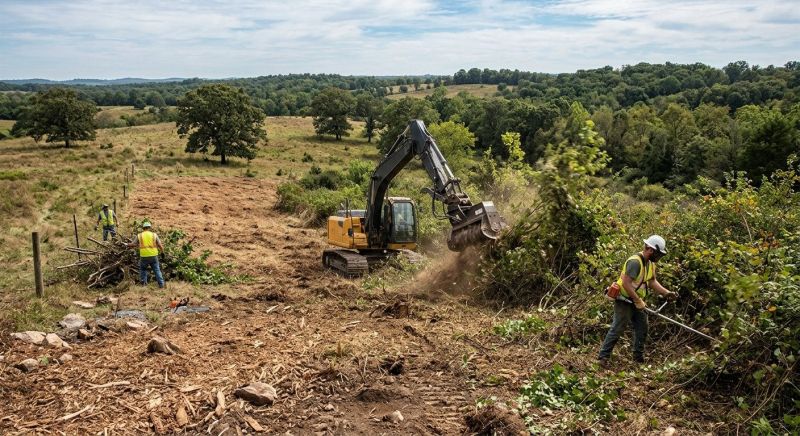
Pasture clearing services involve the removal of unwanted vegetation, brush, and overgrowth to create open, manageable land areas. This process is commonly requested for projects such as preparing land for agricultural use, establishing new pastures, or improving visibility and access on rural properties. Property owners considering pasture clearing should understand the scope of work involved, including the removal of trees, shrubs, and dense underbrush, as well as any necessary grading or debris removal to ensure a clean, functional space.
Before requesting pasture clearing, property owners typically want to clarify the size of the area to be cleared, the types of vegetation present, and any specific land use goals. It’s also helpful to consider the presence of existing structures or underground utilities that may impact the clearing process. Understanding these details can assist in planning a project that meets the land’s intended purpose while addressing any potential challenges during the clearing process.
Many property owners in Utah County, UT look into Pasture Clearing for repairs, replacements, upgrades, and appearance-related improvements.
Land Preparation For Development
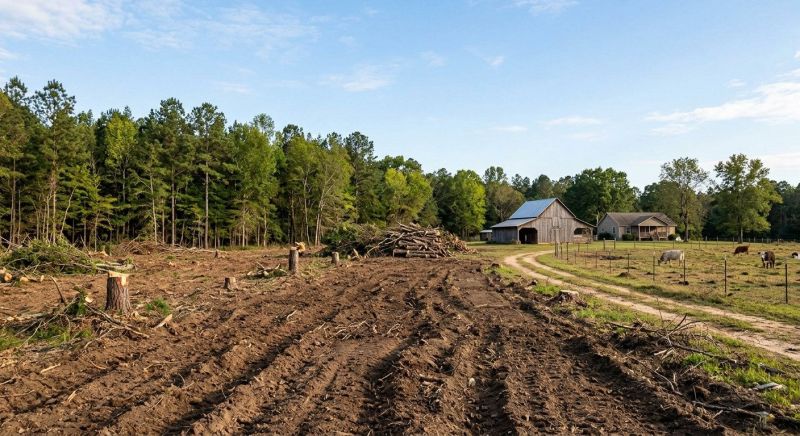
Clear pastures to create a safe and level foundation for new construction or farming.
Overgrown Pasture Management
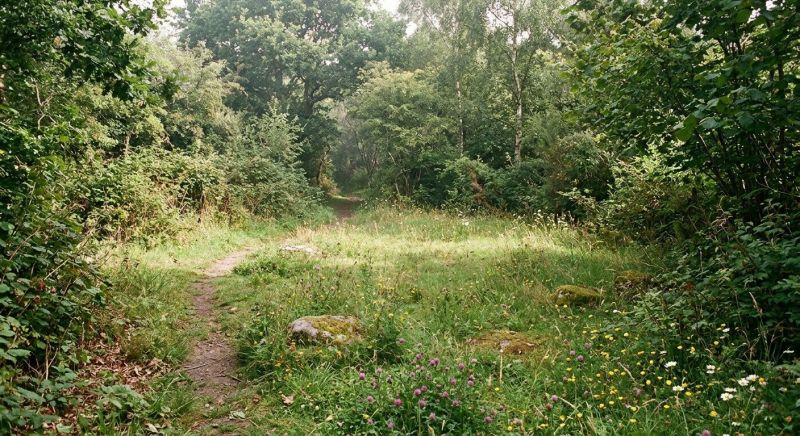
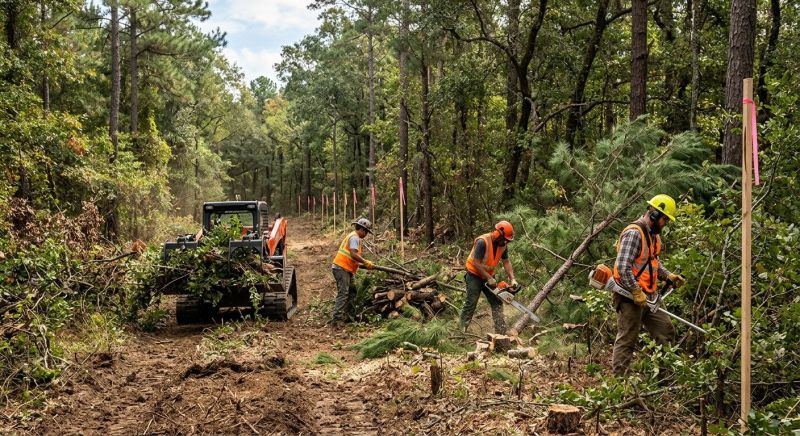
Remove thick grasses and brush to improve pasture health and usability for livestock.
Fire Hazard Reduction
Eliminate excess vegetation to decrease fire risks and promote safer property conditions in utah county areas.
Pasture Clearing in Utah County, UT
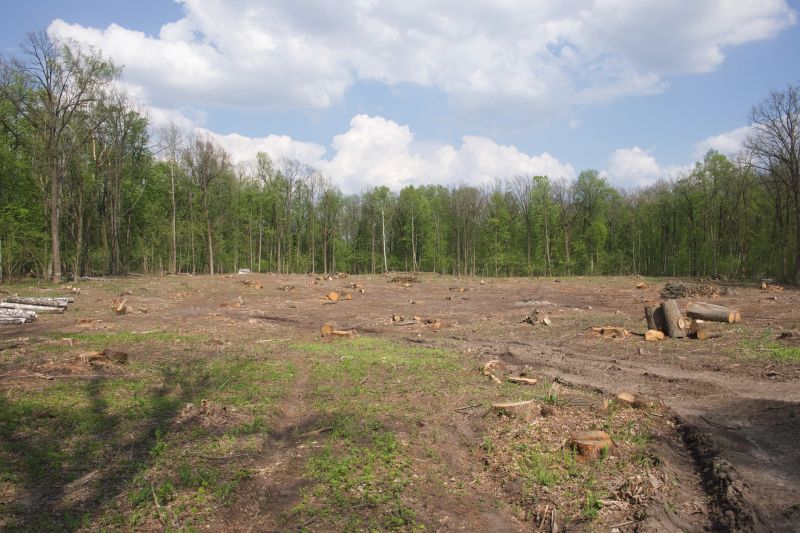
Pasture clearing services involve the removal of unwanted vegetation, brush, and overgrowth to create open, manageable land areas. This process is commonly requested for projects such as preparing land for agricultural use, establishing new pastures, or improving visibility and access on rural properties. Property owners considering pasture clearing should understand the scope of work involved, including the removal of trees, shrubs, and dense underbrush, as well as any necessary grading or debris removal to ensure a clean, functional space.
Before requesting pasture clearing, property owners typically want to clarify the size of the area to be cleared, the types of vegetation present, and any specific land use goals. It’s also helpful to consider the presence of existing structures or underground utilities that may impact the clearing process. Understanding these details can assist in planning a project that meets the land’s intended purpose while addressing any potential challenges during the clearing process.
Many property owners in Utah County, UT look into Pasture Clearing for repairs, replacements, upgrades, and appearance-related improvements.
Common Pasture Clearing Jobs
Pasture Clearing - removal of overgrown grass, weeds, and brush to improve property accessibility.
Brush Removal - clearing dense shrubbery and undergrowth to maintain a tidy landscape.
Wildfire Risk Reduction - thinning and removing combustible vegetation to enhance safety.
Land Preparation - clearing land for new construction, farming, or landscaping projects.
Invasive Species Control - eliminating non-native plants that threaten native ecosystems.
Debris Removal - clearing fallen branches, dead trees, and accumulated plant waste.
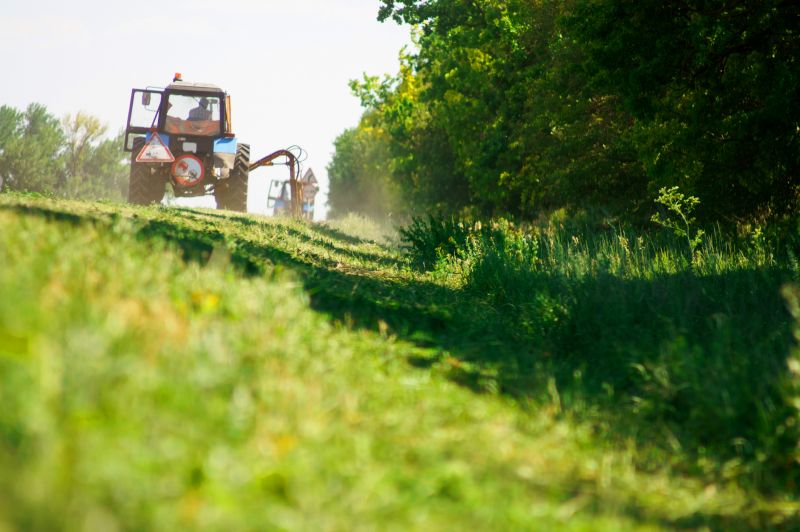
Pasture Clearing Questions
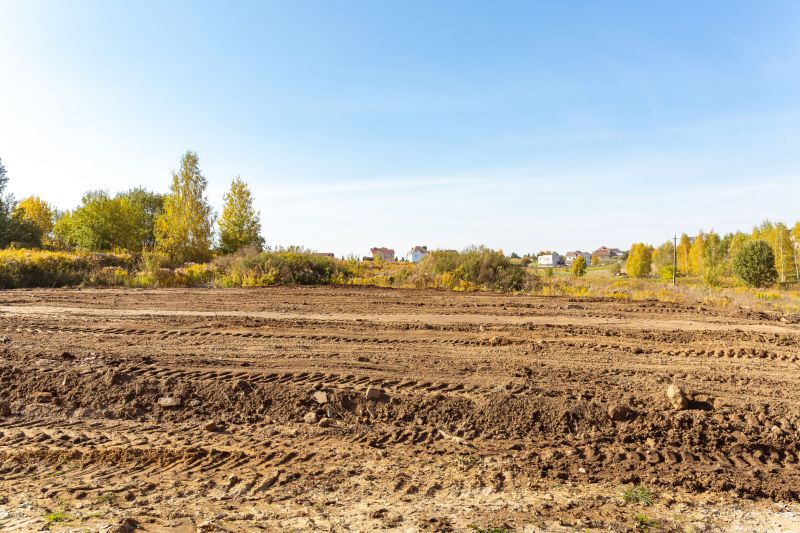
What is pasture clearing? Pasture clearing involves removing trees, brush, and unwanted vegetation to prepare land for grazing, farming, or development.
When is pasture clearing needed? It is typically requested when property owners want to improve land usability, reduce fire hazards, or restore open space.
What types of vegetation are removed during pasture clearing? Commonly cleared vegetation includes shrubs, small trees, invasive plants, and overgrown brush.
Does pasture clearing impact soil quality? Proper clearing methods aim to minimize soil disturbance and promote healthy land for future use.
Request Pasture Clearing in Utah County, UT
Use the quote form on this page to share the basics of your project and request more information for the type of work you need.